

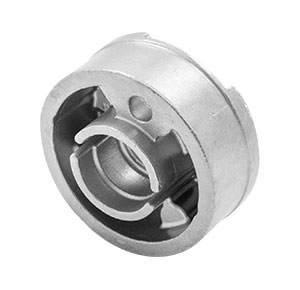
In 2025, it has been noticed that there has been a revolution in the industrial sector. The pump component castings are increasing its strength. These pump parts castings are becoming powerful with each passing day.
In today's era, casting may seem to be an age-old method when it comes to making things. It is a fact that there has been a drastic change. The reason is the innovative technology and ever-changing global market. There is also a requirement for a budget-friendly and enviro-friendly solution.
We'll talk about the most important developments that will affect the pump parts castings business in 2026 in this article. These trends include new materials, changes in the market, digital production, and areas where growth is happening the fastest.
Functions of Pump Part Castings
Pump component castings are the main parts of machines that are utilised in many sectors, such as oil and gas, food processing, water treatment, and farming. Casting procedures including sand casting, investment casting, and die casting are often used to make common parts like impellers, casings, volutes, and diffusers.
Their dependability, shape, and strength of the materials directly determine how well the pump works, how much energy it uses, and how long the whole system lasts. As operating needs grow, the quality and accuracy of cast pump components become increasingly more important.
Trend 1: Infrastructure and clean energy are driving global demand
Huge expenditures in infrastructure, energy, and water management projects are driving up the need for dependable pumping systems in all parts of the world. Countries in Asia-Pacific, the Middle East, and Africa are spending a lot of money on clean water access, irrigation, and urban development. This is having an influence on the pump castings market.
Main Reasons:
- More municipal water treatment systems
- Several projects are using renewable energy, such solar thermal and geothermal.
- Industries are becoming more electric, and there is a demand for energy-efficient pumping.
- Need for equipment to produce oil and gas from both onshore and offshore sites
The worldwide pump casting industry is expected to be worth billions of dollars by 2025, with steel and alloy castings leading the way in high-performance uses.
Trend 2: New materials and custom alloy development
In the past, grey cast iron was the only material used to make pump castings. Now, producers are going beyond what is possible with new alloys that are made for particular uses and improve corrosion resistance, heat resistance, and wear resistance.
Things That Are Becoming More Popular:
- For chemical and marine uses, use stainless steel (304, 316, or duplex).
- Inconel and superalloys for pumping systems in the petrochemical and aerospace industries.
- Bronze and Nickel-Aluminum Bronze (NAB) for pumps that work in salt water.
- Composite castings with ceramic reinforcing to make them lighter
These improvements let casting companies provide custom-engineered solutions for pumps that are used in biotech, mining, desalination, and other fields.
Trend 3: Smart Casting and Digitalisation
Digital manufacturing and casting technologies are coming together to change the laws of accuracy and efficiency. Foundries are now using Industry 4.0 technologies to get rid of faults, make their workflows more efficient, and make it easier to track things.
Things to keep an eye on:
- Software that simulates solidification, reduces shrinkage, and makes design fidelity better.
- Using 3D printing to make patterns and cores to cut down on lead times.
- Monitoring using IoT for quality assurance in real time.
- Digital twin technique to model how casting behaves when it is under stress
Trend 4: Making things in a way that is good for the environment and lasts a long time
Environmental rules and aims for sustainability are driving the pump casting sector to use more eco-friendly methods. Foundries are looking at their environmental effect again by employing recycled materials and making the most of melting energy.
Green Strategies Getting More Popular
- Using biodegradable cores and binders in sand casting
- Electric induction furnaces are better than conventional fuel-based ones.
- Closed-loop water systems to use less resources
- Getting materials back from worn-out pump components so they may be re-cast or fixed.
- Customers, particularly those in Europe and North America, are looking for eco-certified providers, and this focus is changing how companies buy things in 2025.
Trend 5: India's Rise as a Casting Centre
India is becoming a worldwide leader in making pump parts by casting them because it has low labour costs, plenty of raw materials, and better infrastructure.
Why India Is Ready to Grow:
- More and more foundries are getting ISO and API certification.
- Support from the government via Make in India and incentives for exports.
- A skilled engineering workforce with experience in precision metallurgy.
- Close to important export markets including Southeast Asia and the Middle East.
Exporters of cast pump parts from India are now getting work in places including mining in Africa, farming in South America, and city developments in Europe.
What This Means for OEMs and Buyers
OEMs and pump system integrators will find 2025 to be both a chance and a challenge. Buyers have greater power now that they can choose from more materials, have better supply chains, and communicate with casting suppliers online. But they also have to make more judgements.
Suggestions for 2026:
- Work with foundries that can help you with design and customisation.
- Put traceability and inspection processes at the top of your list
- Find Pump Parts Castingsmanufactures that are environmentally friendly.
- Look at diversifying your supply chain to avoid shocks.
Final Thoughts
As we get closer to 2026, pump parts castings is changing from a simple business into a strategic benefit for industrial companies. Smart manufacturing, material science, and market demand are all working together to turn conventional parts into high-performance assets.